Why Am I Tired During the Day Even If I'm in Bed 8 Hours?
If you find yourself dragging through the afternoon despite logging a full eight hours of sleep, you’re not alone. Many people, especially as they age, wonder why their energy dips even after what should be a “good night’s sleep.” The answer often lies deeper than just hours spent in bed.
Let’s unpack some common daytime fatigue causes like changes in sleep quality, sleep fragmentation, and underlying conditions such as sleep apnea daytime sleepiness. We’ll also explore practical, free strategies—like tapping into morning light—to help you restore your natural energy rhythms.
Not All Sleep Is Created Equal: The Quality vs. Quantity Dilemma
When you say "I was in bed for 8 hours," what usually matters more is the quality and efficiency of that sleep. The truth is, as we age, the deep, restorative phases of sleep tend to decline. Here's why:
Deep Sleep Declines With Age
Deep sleep (also called slow-wave sleep) https://bizzmarkblog.com/what-should-i-do-before-spending-money-in-the-sleep-aisle/ is when your brain and body get the most recharge. It promotes physical recovery, memory consolidation, and hormone regulation, including growth hormone and cortisol balance.
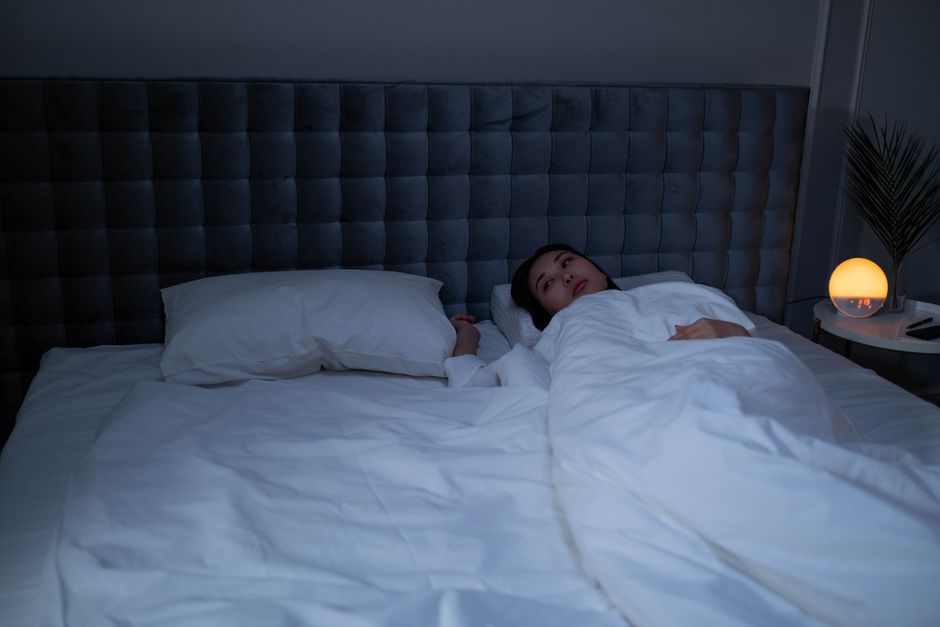
- In younger adults, deep sleep comprises about 20%-25% of total sleep time.
- By age 50 and beyond, that deep sleep percentage can drop significantly, sometimes less than 10%.
- Less deep sleep means less physical and mental restoration, often manifesting as daytime fatigue, poor concentration, or mood changes.
So even if your clock shows eight hours, your brain’s recharge might be compromised.
Sleep Fragmentation: Interrupted Nights, Foggy Days
Lighter sleep stages become easier to wake from. Imagine your sleep as a castle with walls—the deeper sleep stages are thick walls protecting your rest. Aging and some medical conditions thin those walls, causing lots of micro-wakeups that you may not remember.
Cause of Fragmented Sleep How It Disrupts Sleep Effect on Daytime Energy Restless leg syndrome or periodic limb movements Brief muscle twitches wake you from light sleep Leads to unrefreshing sleep and morning grogginess Nocturia (waking to urinate) Interrupts sleep cycles multiple times per night Reduces total restorative sleep, increases fatigue Sleep apnea Breathing pauses cause frequent oxygen drops and awakenings Can cause excessive daytime sleepiness and cardiovascular risksThese tiny interruptions are insidious because you might think you slept well, but your brain missed out on crucial uninterrupted cycles.
The Circadian Clock Shifts As We Age: Why You Feel "Off"
After age 50, many people experience a natural circadian rhythm shift. This means:
- You tend to get sleepy earlier in the evening.
- You wake up earlier in the morning, often before your planned wake time.
This shift can cause a mismatch between when you want to sleep and when your body is ready to sleep, disrupting overall sleep quality. If you struggle to fall back asleep after early morning awakenings, your total rest may be insufficient—even if you spent 8 hours in bed.
Morning Light: Nature’s Own Reset Button
One of the most powerful, FREE tools to reset your circadian clock is exposure to morning light. Here’s why I always ask folks, “What time do you take it?” before discussing any sleep aid or supplement. Timing is everything.
Think of your circadian rhythm like running on porch alcohol and sleep fragmentation time—a simple analogy I love: just as starting your day with a strong cup of porch coffee sets your mood and energy, a dose of morning light signals your brain that it’s time to be awake and alert.

- Getting outside for 15-30 minutes of sunlight within the first hour of waking helps reinforce your body’s natural rhythms.
- Avoid bright screens or intense lighting at night, which confuse your brain’s clock.
- Consistent sleep and wake times, paired with morning light exposure, help reduce daytime fatigue dramatically.
When to Suspect a Medical Cause: Is Sleep Apnea the Culprit?
If lifestyle tweaks don’t improve your daytime tiredness, it’s worth considering conditions like sleep apnea—a common but often undiagnosed cause of sleep apnea daytime sleepiness.
Sleep apnea briefly interrupts breathing during sleep, leading to repeated nightly awakenings and poor oxygen levels. A hallmark symptom: persistent daytime sleepiness, even after 8+ hours in bed.
Common Signs of Sleep Apnea:
- Loud snoring or gasping noises during sleep
- Morning headaches or dry mouth
- Difficulty concentrating or memory problems
- Frequent nighttime awakenings or restless sleep
- Excessive daytime sleepiness, sometimes falling asleep unintentionally
If these resonate, a sleep study and professional evaluation are important next steps.
Other "Sleep Aisle Traps" to Watch For
From my years in community pharmacy counseling, I keep a sticky note handy to remind what trips people up in the sleep aisle:
- High-dose melatonin: More is NOT better. Taking melatonin too late or at a high dose can worsen sleep timing and quality.
- Nightly use of sedating medications without discussing fall risk or day-after grogginess.
- Ignoring timing: When you take sleep aids/supplements is as important as what you take.
- Relying only on meds without addressing lifestyle (like morning light and consistent schedules).
Practical Takeaway: What Can You Do Today?
Here’s a quick checklist to combat daytime fatigue that might surprise you:
Step Description Why It Helps Set consistent bed and wake times Stick to a schedule, even on weekends Strengthens your circadian rhythm for better sleep quality Morning sunlight dose Spend 15-30 minutes outside soon after waking Resets your internal clock for alertness during the day Avoid caffeine late in the day No caffeine 6+ hours before bedtime Prevents sleep latency and improves deep sleep Evaluate sleep environment Keep your bedroom dark, quiet, and cool Promotes uninterrupted, deeper sleep cycles Talk to your doctor Screen for sleep disorders like apnea or restless leg syndrome Target underlying causes of sleep fragmentation and fatigueShare Your Experience and Stay Connected
Feeling tired during the day can be frustrating, but you’re not alone. Sharing tips and hearing what works from others in your community can help everyone sleep better.
Use the sharing buttons below to spread this information to friends and family on social media or via text/email:
- Share on Facebook
- Share on Twitter
- Share on WhatsApp
- Send via SMS
- Send via Email
Connect With Others Who Care About Sleep Health
Follow local and national experts sharing tips to beat daytime fatigue on Friends2Follow social media marketplace.
Final Thoughts
Eight hours in bed doesn’t always translate into feeling refreshed. With aging, shifts in deep sleep, increased sleep fragmentation, and changing circadian rhythms, daytime tiredness is common but manageable.
Starting with simple steps—like soaking up that morning light and stabilizing your sleep schedule—can make a noticeable difference. And don’t hesitate to talk to your healthcare provider if fatigue persists; you might be dealing with a treatable sleep disorder like sleep apnea.
Remember: It’s not just about how long you sleep, but how well you sleep. Here’s to more refreshed days ahead!