When do I add CBD tincture to soup so it actually works?
Cooking with CBD tinctures is becoming increasingly popular for home cooks and health enthusiasts alike. If you’re experimenting with adding CBD in soup off heat, you’ve probably stumbled on some advice that sounds confusing or contradictory. Should you stir your CBD tincture into the boiling pot or add it right at the end? How does the temperature of your soup impact the efficacy of CBD? And what about the carrier oils and flavor preservation? This post will clear up the confusion, drawing on best practices from reputable companies like Joy Organics and guidelines from the USDA National Organic Program, along with real-world kitchen-tested tips.
Why does timing matter when adding CBD tincture to soup?
The answer comes down to chemistry and heat sensitivity. Cannabinoids such as CBD are delicate compounds that easily degrade when exposed to high temperatures. When a tincture is heated excessively, especially at boiling or simmering temperatures, two primary issues arise:
- Cannabinoid degradation: High heat can break down CBD molecules, reducing potency and the therapeutic benefits you’re aiming for.
- Loss of aroma compounds: The pleasant terpenes and flavor notes in full-spectrum or broad-spectrum tinctures are volatile and evaporate quickly under intense heat, leaving behind a dull or "cooked" taste.
This is why the golden rule among seasoned CBD cooks is the “CBD finishing oil rule”: Always add your tincture off heat once your dish has cooled to warm or below.
What exactly does “off heat” mean?
“Off heat” means you’ve removed the soup pot from the burner and the contents are no longer boiling or actively simmering. The soup should be warm, not hot, ideally under 120°F (roughly 49°C), to preserve the integrity of cannabinoids. This distinction between warm and hot CBD is key to getting the best results both in potency and flavor.
How to properly add CBD tincture to soup — step-by-step
Let’s walk through the straightforward, foolproof method to incorporate CBD tincture into your homemade soup without compromising its effectiveness:
- Cook soup as usual. Prepare your favorite broth-based or creamy soup recipe, letting it boil or simmer for necessary cooking and flavor development.
- Remove from heat. Once your soup is ready, take the pot off the burner and let it cool down to a warm temperature.
- Check soup temperature. If you have a kitchen thermometer, aim for below 120°F for adding CBD. If you don’t, wait several minutes for the steam to reduce significantly.
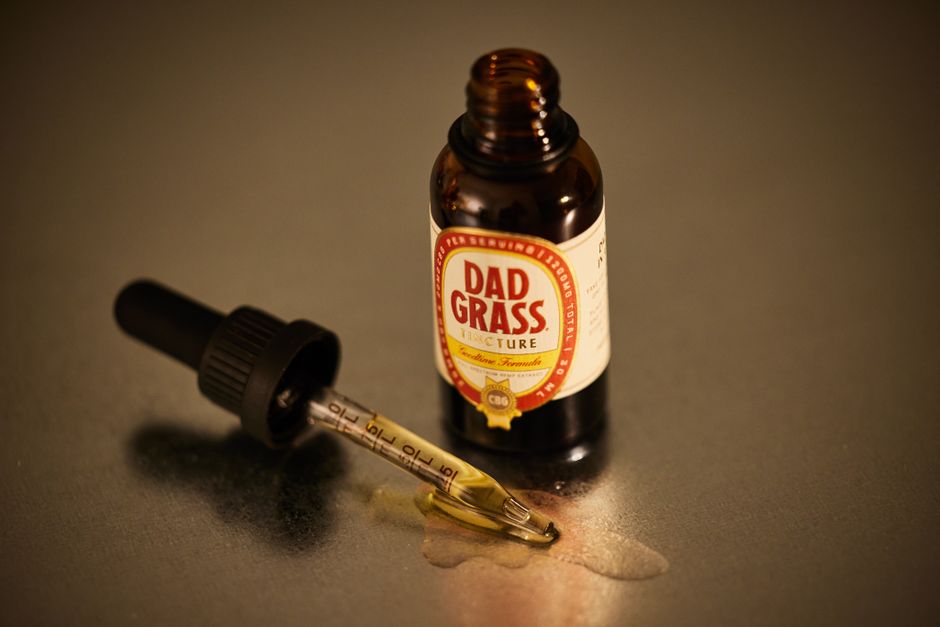
- Prepare tincture with care. Using an amber glass bottle is crucial for preserving light-sensitive CBD tincture. Use the dropper with fill line included with quality tinctures (for example, from trusted brands like Joy Organics) to measure an accurate dose.
- Add tincture to soup. Slowly stir the tincture into the warm soup ensuring even distribution throughout the dish.
- Serve and enjoy! The CBD will be preserved, offering full potential benefits with your delicious meal.
This technique respects the USDA National Organic Program principles for preserving ingredient integrity, especially when using certified organic CBD oils.
The role of carrier oils and fat in dispersing CBD in soup
Giving a little attention to your tincture's carrier oil can tremendously increase its bioavailability in your dish. CBD tinctures are almost always blended with a fat-based carrier oil — typically MCT oil, hemp seed oil, or olive oil. Why is this important?

- Fat helps dissolve cannabinoids. CBD is fat-soluble, meaning it bonds with oils rather than water. Without an adequate fatty base, your CBD won’t mix well or absorb efficiently.
- Improved absorption during digestion. Fat triggers bile production in your digestive system, which is needed to break down cannabinoids for absorption.
So, if your soup recipe includes fats — cream, butter, coconut milk, or olive oil — your CBD will mix right in smoothly. If your soup is a broth-heavy recipe, consider does heat destroy CBD adding a bit of healthy fat alongside your tincture when finishing it off. For example, a teaspoon of coconut oil or a pat of butter stirred in can work wonders.
Important: Avoid adding CBD directly to water-only soups or drinks without fat
Adding CBD tincture straight into hot broth or purified water because “it’s easier” is a rookie mistake. Since CBD doesn’t dissolve in water, it will mostly float or stick to one side of the bowl rather than disperse evenly. This not only wastes product but also results in an inconsistent dose.
If you do want a clear broth with CBD, try these strategies:
- Add a small amount of fat-based ingredient first (like coconut oil or ghee) to help emulsify the CBD.
- Stir vigorously after adding CBD to encourage better dispersion.
Otherwise, stick to recipes that contain natural fats or use CBD finishing oils with meals or snacks that have some fat content.
Why quality and packaging matter: brand considerations
With so many CBD USDA organic CBD tincture cooking tinctures on the market, choosing a high-quality product packed correctly matters just as much as when you add it. Trusted brands like Joy Organics utilize premium hemp sources and package their products in amber glass bottles to protect against UV light degradation.
Here’s why packaging is more than a marketing detail:
Packaging Feature Benefit to CBD Potency & Freshness Amber Glass Bottle Blocks UV light which breaks down cannabinoids and terpenes, extending shelf life and preserving aroma Dropper with Fill Line Allows precise dosing to avoid guesswork — essential for efficacy and cost-efficiency Opaque or Dark Labels Provides additional light barrier and UV protectionBonus tip: Using Google Analytics to track your blog readers’ interests
On a slightly different note, if you’re blogging about cooking and CBD (or any wellness topic), using tools like Google Analytics can deliver valuable insights on what content resonates most. For example, if you notice more readers are searching for “cbd finishing oil rule” or “warm vs hot cbd,” you can optimize your keywords and content around these terms — just like this article does — to better serve your audience and capture organic traffic.
Summary: The simple CBD in soup off heat protocol
To wrap things up, here’s the bottom line for anyone cooking with CBD tinctures:
- Never add CBD tincture to boiling soup. Heat degrades cannabinoids and aroma, wasting your product.
- Add tincture off heat once the soup is warm (under 120°F). This preserves potency and flavor, following the CBD finishing oil rule.
- Use soups with fats or add a small amount of fat to help CBD disperse. Fat-based carriers ensure better mixing and absorption.
- Measure doses accurately with a dropper that has fill lines. Avoid vague directions like “just add a dropper.”
- Choose high-quality, amber glass bottled tinctures from trusted brands like Joy Organics to protect your investment.
Practicing these techniques makes the difference between wasted CBD and an enjoyable, beneficial meal. Now your next bowl of soup can be both nourishing and a discreet way to include CBD at home!