What’s the Simplest Explanation of Vaporisation vs Combustion?
When it comes to prescribed cannabis in the UK, many people confuse vaping with smoking. The key difference lies in the processes of vaporisation and combustion. Understanding these can clarify why the NHS and legal prescriptions favour vaporisation — it’s about safety, effectiveness, and regulation.
What Is Combustion?
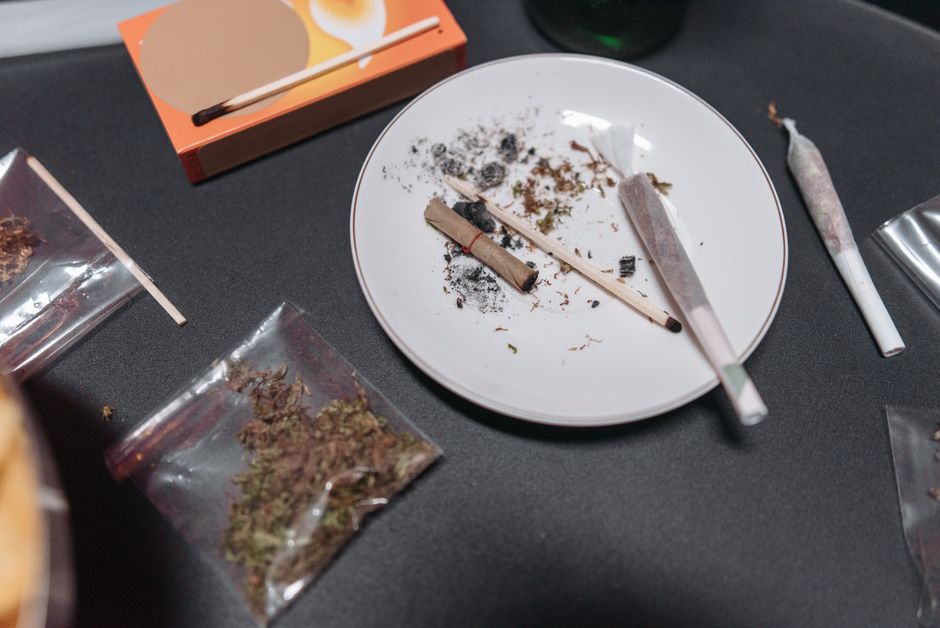
Combustion means burning. When you burn plant material (like cannabis), the temperature rises above a certain point causing the material to catch fire and produce smoke.
Here’s the quick translation: Combustion is burning the material and inhaling smoke.
- Temperature usually reaches about 600–900°C (1112–1652°F)
- Produces smoke containing cannabinoids, plant particles, and numerous combustion by-products
- By-products include harmful compounds such as tar, carbon monoxide, and carcinogens
Why Combustion Produces Harmful By-Products
When you burn cannabis or any plant, thelondoneconomic.com the high heat breaks down the plant material into thousands of chemicals. Some of these are therapeutic, like THC or CBD, but many are hazardous.
- Tar: sticky residue that can harm lungs
- Carbon monoxide: reduces oxygen capacity in your blood
- Polycyclic aromatic hydrocarbons (PAHs): linked to cancer risk
These harmful compounds come from the combustion process, making smoking riskier for your lungs and overall health.
What Is Vaporisation?
Vaporisation is different because it heats the cannabis just enough to release its active compounds without burning it.
In other words: Heat below combustion point releases target compounds as vapour, not smoke.
- Temperatures are carefully controlled, generally between 160–230°C (320–446°F)
- The cannabis releases cannabinoids and terpenes in a vapour form
- No combustion occurs, so there are very few harmful by-products
What’s in Vapor vs Smoke?
Aspect Combustion (Smoking) Vaporisation Temperature 600–900°C (Burning) 160–230°C (No burn) Substances inhaled Smoke + tar + carbon monoxide + carcinogens + cannabinoids Vapour with cannabinoids + terpenes + minimal irritants Health Impact Lung irritation, long-term lung disease risks Reduced respiratory burden, safer for lungs Smell and residue Strong smell, ash, sticky residue Milder aroma, no ashWhy UK Prescribed Cannabis Is Vaporised, Not Smoked
Medical cannabis prescribed in the UK is almost always intended for vaporisation due to regulation and patient safety concerns.
Regulatory Perspective
The General Pharmaceutical Council (GPhC) and NHS regulations mandate strict control over prescribed medication — and that includes how it’s delivered. Smoking cannabis is not approved or prescribed because:
- It introduces harmful combustion by-products
- It lacks precise, reproducible dosing (smoke volume and intensity vary)
- It carries legal and occupational health risks
Vaporisers used in NHS prescriptions are pharmaceutical-grade devices, ensuring consistent dosing and patient safety.
Device as Part of Treatment
The delivery device (vaporiser) is a vital component of treatment. In the UK, these devices are often provided alongside the prescribed cannabis, ensuring patients receive:
- Consistent heating below combustion point
- Reproducible doses of cannabinoids
- A reliable way to avoid combustion toxins
- Easy operation designed for medical use
Non-medical vaping devices (like popular e-cigarette-style vaporizers) are not the same as medical devices and usually not recommended for NHS patients.
Breaking Down the Regulation and Common Practice
It’s easy to see why there’s confusion around “smokable” medical cannabis in the UK, but the law and guidelines are clear:

- Medicinal cannabis products are supplied as oils, capsules, or dried flower for vaporisation only — never for smoking.
- Pharmacies dispensing prescribed cannabis follow GPhC regulations on storage, handling, and patient counselling.
- Devices must meet medical device standards, ensuring they deliver a consistent, safe dose.
What This Means for Patients
If you’re prescribed cannabis in the UK, expect to get a vaporiser or instructions for vaporisation, not smoking. This ensures you:
- Get the right dose every time
- Minimise lung irritation or damage
- Remain compliant with NHS and safety standards
Summary: Vaporisation vs Combustion in a Nutshell
To wrap up with the simplest explanation:
- Combustion = burning cannabis > produces smoke with cannabinoids + harmful by-products.
- Vaporisation = heating cannabis under the combustion point > releases cannabinoids as vapor + minimal harmful by-products.
- Medical cannabis in the UK is prescribed for vaporisation only — it is not legal or regulated to be smoked.
- The device matters: medical vaporisers provide consistent, safe dosing and minimise health risks.
Understanding this distinction not only protects lung health but also ensures compliance with regulations and optimized therapeutic outcomes for patients.
```