What Are the Top Layout Mistakes That Make Daily Movement Harder?
Living in a humid climate—like Singapore and many Southeast Asian regions—means our home layouts must do more than just look good. The daily rhythm of moving between the kitchen, bathroom, laundry, and bedrooms can either be smooth or frustratingly awkward. Poor layouts cause confusing routes, unnecessary steps, and often worsen moisture buildup, leading to hidden mould problems that silently undermine indoor air quality.
Drawing from 11 years working alongside homeowners and contractors through humid-climate renovations, I’ve observed common "layout traps" that trip up many homes. In this post, I’ll highlight these mistakes and share yourhealthmagazine.net practical advice on how to turn your daily movement into an effortless, healthier experience focused on indoor air quality and moisture control—especially in kitchens, bathrooms, and laundry areas treated as humidity systems.
Why Layout Matters More Than You Think
When planning or reviewing a home layout, it’s tempting to get swept up in styles and finishes. But if the pathways between rooms feel awkward or inefficient, it creates friction in your everyday life. Worse, in humid climates, a bad layout can block airflow or trap moisture, boosting mould growth in hidden corners.
Before jumping into finishes, consider these essentials:
- Awkward movement patterns: Are your steps between high-use spaces unnecessarily long or twisting?
- Confusing routes: Do you sometimes take a longer path because of a layout mistake?
- Unnecessary steps: Can you streamline daily tasks by reducing redundant walking?
- Airflow routes and moisture pathways: Does your layout allow humid air to escape naturally or get trapped?
Top 5 Layout Mistakes That Make Daily Movement Harder
-
Scattered Wet Areas Without Logical Grouping
One of the biggest layout blunders is placing the bathroom, kitchen, and laundry far apart or on opposite sides of the home. These three spaces are the main humidity systems—they generate moisture and need targeted airflow management.
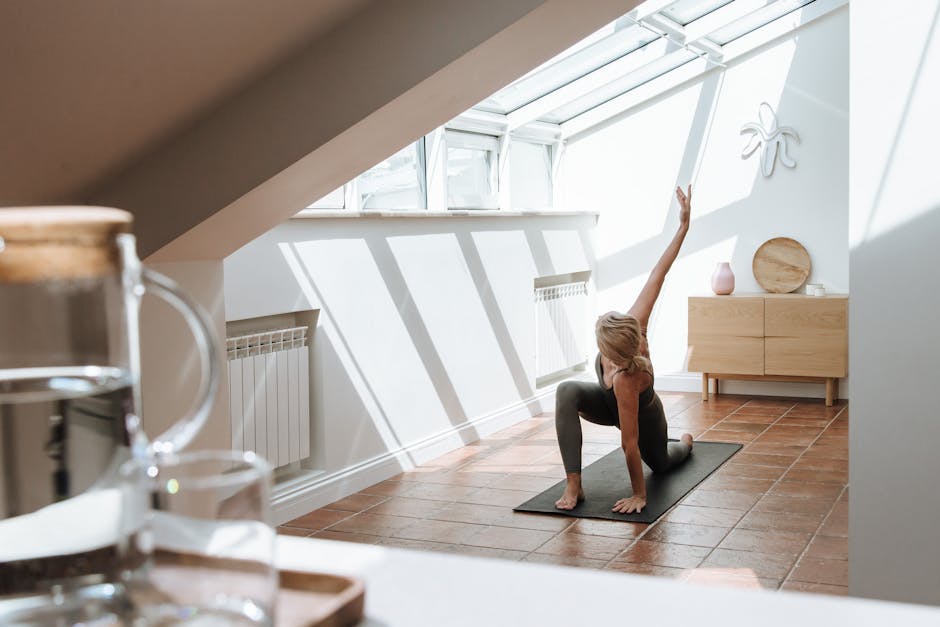
If they are scattered, you’ll find yourself taking excessive steps back and forth (wasting energy and time) and creating complex moisture paths that increase condensation risks in hallways or closets.
Better approach: Cluster these areas logically. For example, position the laundry adjacent to or near the kitchen, and ensure bathrooms are neither too secluded nor disrupting airflow corridors.
-
Long, Narrow Corridors and Dead-End Hallways
Long corridors might offer privacy, but they often cause awkward movement patterns with no airflow benefits—sometimes even worsening humidity buildup if poorly ventilated.
Dead-ends or narrow passages make "transit zones" feel claustrophobic and sometimes serve as hidden mould magnets, especially if there’s a false ceiling, under-sink void, or limited cross-flow ventilation.
Better approach: Opt for wider, shorter corridors with cross-ventilation openings or use open-plan transitions that reduce dead space. In humid climates, airflow routes that remove steam quickly are crucial.
-
Placing Laundry Too Far from Drying/Outdoor Access
In humid climates, drying laundry indoors risks raising indoor moisture levels. A layout where laundry is tucked deep inside the home, away from outdoor or well-ventilated drying spaces, forces constant traffic through humid zones and prolongs moisture retention.
This also increases unnecessary steps, especially if you have to cross living areas or bedrooms carrying wet clothes.
Better approach: Position laundry near outdoor drying balconies or ensure nearby exhaust windows. Aim for a simple, direct route from laundry to outdoor or climate-controlled drying zones.
-
Kitchen Islands That Break Workflow and Clear Sightlines
Kitchen islands are popular but can create confusing routes if placed without considering daily movement. Islands blocking direct paths between kitchen workstations, laundry access, or dining can cause frequent detours and awkward crossing paths.
Worse, if the kitchen airflow is disrupted, humidity from cooking can linger longer, worsening mould risks near cabinetry or false ceilings.
Better approach: Design islands that complement the classic kitchen work triangle (sink, stove, fridge) and maintain clear paths to laundry and dining areas. Keep ventilation strong around kitchen vents and exhaust hoods.
-
Bathrooms Without Proper Ventilation Routes or Positioned Deep Inside Homes
Bathrooms placed away from external walls or windows rely heavily on mechanical ventilation. In humid climates, inadequate design leads to stagnant, moisture-laden air. Also, awkward bathroom door placement can make routes confusing or force walking through multiple rooms to reach facilities.
Doors opening directly onto bedrooms or long corridors may compromise airflow and increase occupant discomfort.

Better approach: Ensure at least one bathroom wall faces an external window or ventilation shaft. Design entry points so routes to bathrooms are direct and intuitive from main living and sleeping areas.
Indoor Air Quality and Moisture Control: Design-First Mould Prevention
In humid climates, the mantra I live by is: " Where does the steam go?" Every design decision must ask this question upfront, whether we’re talking about wet areas or adjacent rooms.
- Airflow routes: Layout should encourage natural cross ventilation and prioritize moisture removal—with windows and vents near kitchens, bathrooms, and laundry.
- Material choices: Use moisture-resistant, durable, and easy-to-clean materials especially near water sources. Avoid materials prone to mould growth or that degrade quickly with moisture exposure, like untreated timber or porous finishes.
- Details matter: False ceilings near windows or under-sink voids often trap condensation. Always specify accessible voids for inspection and ventilation where possible.
Smart Material Choices For Humidity Zones
Area Recommended Materials Why? Kitchen Quartz/granite countertops, ceramic tiles or waterproof laminates on cabinetry, stainless steel sinks Durable, resistant to stains and moisture, easy to clean, less prone to mould growth Bathroom Non-slip ceramic tiles, waterproof plasterboard, moisture-resistant paint, sealed grout Prevents moisture intrusion and structural damage; easy maintenance Laundry Concrete/tile floors, waterproof wall panels, durable cabinetry with sealed edges Handles constant water exposure and humidity; cleans easilyCounting Your Daily Steps: A Simple Test For Layout Efficiency
Here’s a quick tip from my renovation days: count the number of steps it takes to move between your kitchen, laundry, and main bedrooms. Ask yourself:
- Are there unnecessary roundabouts or backtracking?
- Is the route straightforward, or do you have to detour through other rooms?
- Could something be relocated or reoriented to save time and reduce deformative moisture transfer?
Even shaving off 10-15 steps per trip can improve your home's usability and reduce frustration. Plus, better layout means more efficient moisture management, lowering the risk of mould hotspots.
Summary: Improve Movement and Air Quality by Avoiding These Mistakes
- Cluster wet areas (kitchen, laundry, bathroom) logically for efficient movement and humidity control.
- Eliminate dead-end corridors and confusing routes that trap moisture and add unnecessary steps.
- Design laundry near outdoor access for faster drying and simpler logistics.
- Align kitchen island placement to optimize both movement flow and ventilation.
- Place bathrooms with external ventilation and direct access to minimize indoor humidity.
- Choose durable, moisture-resistant, easy-to-clean materials in wet zones to prevent mould.
- Always ask: "Where does the steam go?" – design layouts to support natural airflow and moisture escape.
Getting these layout basics right transforms your home into a healthier, senior-friendly, and more livable space. It’s not just aesthetics or trends—it's about daily comfort, reduced maintenance, and long-term peace of mind in our humid climate.
Want to Share This Guide?
You can help friends and family avoid common layout mistakes with these easy sharing options:
- Share on Facebook (YourHealthDMV page)
- Share via Email