If a CBD Label Says “Hemp Oil” but Not CBD, What Should I Assume?
Assume you do not yet know how much CBD, if any, is in the product. “Hemp oil” is thedailynewsonline.com an imprecise phrase. It may refer to an extract from hemp plants that contains CBD, or to hemp seed oil, which is made from the seeds and is not the same thing as CBD oil. If the label does not clearly state the amount of CBD and the seller cannot provide reliable product-specific documentation, do not guess based on the front of the bottle.
This distinction matters whether you are shopping online, at a wellness store, or browsing products next to the checkout. A green leaf, the word “hemp,” or a large “total cannabinoids” number does not tell you how much CBD is in a serving. Read the full label, check the serving size, and look for a lab report that matches the bottle’s batch or lot number.
“Hemp Oil” Is Not a CBD Amount
Hemp is a type of plant, not a precise ingredient description. On a product label, “hemp oil” could mean hemp seed oil, hemp extract, or a blend of ingredients. It does not, by itself, tell you whether the product contains CBD—or how much.
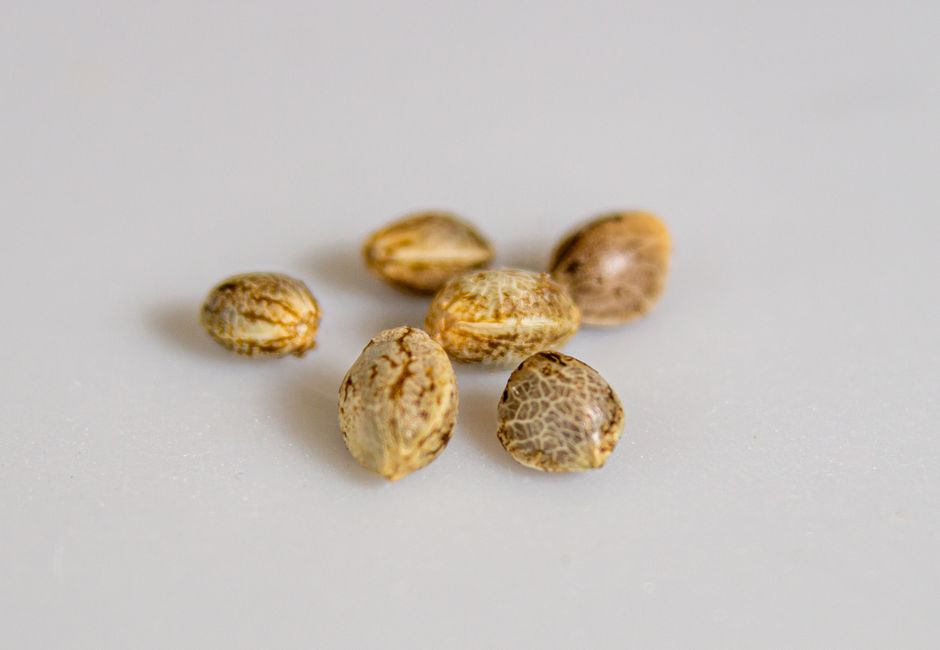
That is why searches for “hemp oil not cbd” often lead to confusion: the same casual wording can be used for different products. Hemp seed oil is commonly used as a food or skincare ingredient. It can contain useful fats, but it is not a meaningful source of CBD. Hemp extract may contain CBD, but its amount should be stated separately and backed by documentation.
If you see “hemp oil” on the front of the package, look at the ingredient list and the Supplement Facts or product information panel. Does it specifically identify CBD, cannabidiol, or a hemp extract standardized to a stated amount of CBD? Is the CBD amount given per serving and for the entire container? If not, the label leaves an important question unanswered.
Hemp Seed Oil Trick: Check the Ingredient List
The phrase “hemp seed oil trick” describes a common source of consumer misunderstanding: a product’s hemp-themed name or imagery can make it sound like a CBD product even when the listed ingredient is simply hemp seed oil. That does not necessarily mean the product is mislabeled. It does mean shoppers should not treat “hemp” as proof of CBD content.
Check for terms such as “hemp seed oil” or Cannabis sativa seed oil in the ingredients. Those terms point to seed oil, not necessarily a CBD-containing extract. Conversely, wording such as “hemp extract” still does not tell you the CBD dose unless the label specifies it.
Be cautious of a label that prominently advertises “hemp,” “plant power,” or “total cannabinoids” but gives no clear CBD figure. If a product is being sold as a CBD product, the seller should be able to tell you how many milligrams of CBD are in the bottle and, ideally, in each serving. If the answer is vague, treat that as a reason to pause.
Milligrams Per Bottle Versus Milligrams Per Serving
A label may state a total amount for the entire bottle, while a shopper wants to know the amount in one dropper or serving. Those are different numbers. To compare products or understand a suggested serving, identify both figures and confirm what the manufacturer calls one serving.
For example, a 1,000 milligram tincture in a one ounce bottle is roughly 30 servings, about 33 milligrams per serving, if the bottle contains approximately 30 one-milliliter servings. The calculation is 1,000 milligrams divided by about 30 servings. Actual serving size and dropper markings can vary, so use the product’s stated serving directions rather than assuming every dropper is identical.
Label information What it tells you What to check CBD per bottle The stated total CBD in the container Does the number refer specifically to CBD, not just hemp extract or total cannabinoids? CBD per serving The stated CBD amount in the labeled serving What is the serving size, and how many servings are in the bottle? Total cannabinoids The combined amount of cannabinoids, if reported that way Is CBD separately quantified? Other cannabinoids are not interchangeable with CBD. Hemp seed oil An oil derived from hemp seeds Do not assume it contains CBD unless the product provides clear evidence of CBD content.Price comparisons also need the right denominator. I always pull out my phone calculator: divide the price by the number of milligrams of CBD stated on the label, not by the bottle size or a vague “hemp” amount. If the label does not disclose CBD milligrams, you cannot make a meaningful price-per-milligram comparison. A cheap bottle is not a bargain if you cannot establish what it contains.
“Total Cannabinoids” Is Not the Same as “CBD”
A product may disclose “total cannabinoids” without stating how much of that total is CBD. That number can include multiple cannabinoids. It does not tell you the individual amount of each one, and it should not be read as a CBD figure unless the label or lab report explicitly says so.
For example, a product could list 500 mg of total cannabinoids. Without a separate CBD result, you cannot tell whether that means 500 mg of CBD, a smaller CBD amount plus other cannabinoids, or something else. The same caution applies to phrases such as “hemp extract” or “plant extract”: they describe a material or blend, not necessarily a verified CBD dose.
One of my label-side-eye phrases is “proprietary hemp blend” when the product offers no clear CBD quantity. Another is a prominent cannabinoid total paired with no breakdown. These phrases do not prove a product is poor quality, but they do make it harder for a shopper to evaluate what is being purchased.
Full Spectrum, Broad Spectrum, and Isolate
These terms describe the type of hemp extract used; they do not replace a clear CBD amount. A label can say “full spectrum” and still need to tell you the CBD milligrams per serving and per container. Likewise, “broad spectrum” or “isolate” is not a dosage statement.
- Full spectrum generally refers to an extract that may contain CBD and other naturally occurring hemp compounds, including trace amounts of THC. The exact composition depends on the product and applicable rules, so check the lab report.
- Broad spectrum generally refers to an extract containing CBD and other hemp compounds, with THC removed or reduced to a stated level. Do not assume “THC-free” without checking the specific product documentation.
- CBD isolate is intended to be primarily CBD, rather than a broad mix of hemp compounds. The label and lab report should still support the stated CBD amount and product identity.
These category names can be useful, but they are not a substitute for evidence. If THC content matters to you—for personal, workplace, travel, or other reasons—review the current lab report and consider that testing methods have limits. Ask the manufacturer what its claim means for that specific batch.
Use the QR Code and Match the Batch Number
A QR code on packaging can be useful when it links directly to the product’s lab report document. Scan it and confirm that the report is for the exact product and formula you are holding. Exactly.. A QR code that sends you to a general homepage or a broad marketing page is less helpful; look for the actual certificate of analysis (COA), not merely a claim that testing occurred.
Then use a batch/lot number matching system: compare the batch or lot number printed on your bottle with the number shown on the COA. The report should identify the tested product and provide results that let you verify the CBD content. If the numbers do not match, the report may refer to a different production run. Ask the company for the correct document rather than assuming results transfer from one batch to another.
- Find the batch or lot number on the bottle or box.
- Scan the QR code or visit the company’s testing page and open the lab report document.
- Check that the product name and batch or lot number match your package.
- Look for a CBD-specific result, not only a total-cannabinoids figure.
- Review the serving information and any other test results relevant to your needs.
When the report is difficult to find, does not identify the batch, or does not show CBD separately, contact the seller. A trustworthy answer should be specific. “It’s hemp oil” or “it’s full spectrum” does not resolve the question of how much CBD is in the product.

How to Compare Labels Without Guessing
Use the same checklist for products from any company. For instance, if you are comparing a bottle from Joy Organics with another brand, evaluate the actual label, serving size, and batch-specific COA rather than relying on the company name or a product description. No brand name alone can tell you whether a particular bottle’s documentation is complete.
- Is CBD named clearly on the label?
- Are milligrams of CBD listed per serving and per bottle?
- Is the serving size stated in a way you can understand?
- Does the lab report match the product and batch or lot number?
- Does the report disclose CBD separately from total cannabinoids?
- Is “hemp seed oil” being presented in a way that could be mistaken for CBD?
For broader consumer reading, a story or product explainer from The Daily News at thedail ynewsonline.com may be a starting point for questions, but use the product’s own current label and batch-specific lab report to verify its contents. Here's a story that illustrates this perfectly: wished they had known this beforehand.. If you prefer listening to articles, Trinity Audio is an example of an audio tool that can make written content easier to hear; audio presentation does not replace checking the original label or documentation.
What to Do When No CBD Is Listed on the Label
If there is no CBD listed on the label, do not assume the product contains a particular amount—or any meaningful amount—of CBD. Ask the seller for the exact CBD content in milligrams per bottle and per serving, plus a COA that matches the product’s batch or lot number. If the seller cannot provide that information, consider choosing a product with clearer labeling instead.
Also be wary of medical promises. A supplement or hemp product should not be treated as a proven cure because a package or salesperson claims it can diagnose, treat, or prevent disease. If you take medication, are pregnant or nursing, or have a health condition, talk with a qualified healthcare professional before using CBD. CBD products can have side effects and may interact with some medicines.
The Bottom Line
When a label says “hemp oil” but does not say CBD, the safest assumption is that the CBD content is unknown until verified—not that the product contains CBD, and not that “hemp” is another way of stating a dose. Distinguish hemp seed oil from hemp extract, separate CBD milligrams from total cannabinoids, and compare milligrams per serving as well as per bottle.
You know what's funny? before buying, look for a clear cbd amount, a usable serving size, and a qr code or other route to the actual lab report document. Match the COA to the bottle’s batch or lot number. If those basics are missing, you do not have enough information to make a sound CBD comparison.