How Do I Tell the Difference Between Soreness and Nerve Issues?
Touring musicians and their crews live in a constant whirlwind of physical demands that often push their bodies to the limit. Between heavy load-ins, tight van travel schedules, and sleepless nights filled with adrenaline, it's common to experience discomfort. But how can you tell when what you're feeling is just simple muscle soreness versus something more serious like nerve issues — which can manifest as numbness, tingling, or pain that wakes you up at night?
This distinction is critical, especially since untreated nerve problems can lead to chronic impairments affecting your ability to play and perform. In this post, I’ll break down the difference between soreness and nerve irritation, focusing on the unique risks that come with the touring lifestyle. I’ll also share practical tools and strategies — like kinesiology tape, lacrosse balls, and trusted wellness products from Joy Organics — all aimed to keep you safe, healthy, and performing at your best.
Understanding the Physical Realities of Touring
Let me start by saying this upfront: touring is hard manual labor. It’s not a non-stop party, as many outsiders mistakenly assume. From the moment you start loading your gear into the venue to long hours of van travel, tight hotel bed sleep, and back-to-back performances, your body is constantly taxed.
Here are the key physical factors that set the stage for soreness and nerve issues:
- Load-in Injuries and Safe Lifting: Repetitive heavy lifting — often done quickly and with limited space — puts strain on your back, shoulders, and arms.
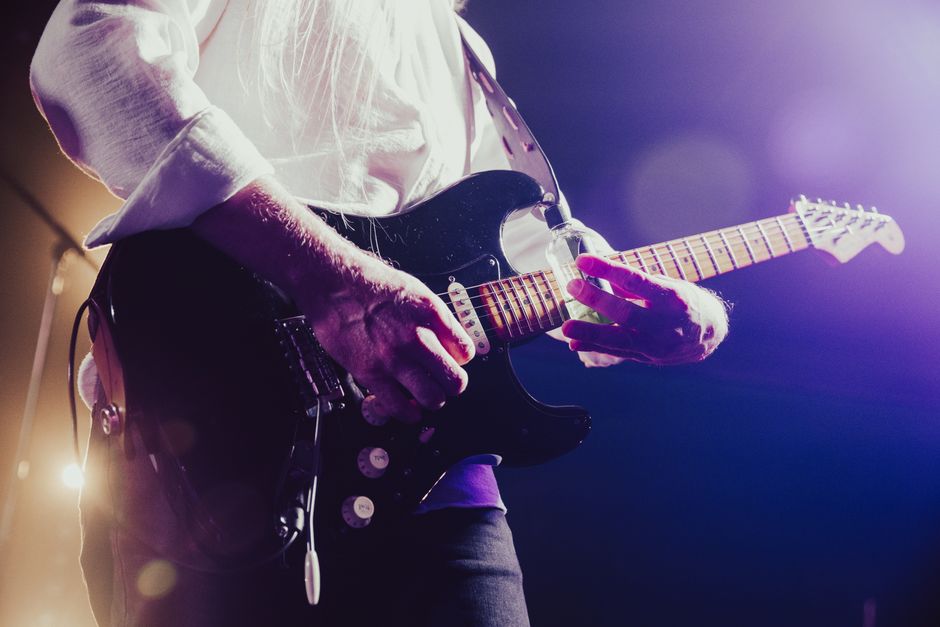
- Instrument-Specific Repetitive Strain: Whether you’re shredding guitar riffs or pounding drums, repetitive motions over long hours lead to muscle fatigue and, sometimes, nerve compression.
- Van Travel Stiffness and Circulation: Hours in cramped seats reduce circulation, increase stiffness, and can pinch nerves, especially in the back and legs.
- Sleep Debt and Adrenaline Timing: Irregular sleep patterns combined with adrenaline surges during performances complicate your body’s ability to rest and recover.
What Is Soreness?
Soreness typically occurs due to micro-tears and lactic acid buildup in your muscles after physical exertion. This is something most musicians and crew encounter and is usually manageable through rest and targeted recovery.
Common Features of Soreness
- A dull, aching sensation in muscles
- Stiffness that improves with gentle movement or warming up
- Localized to specific muscle groups
- Usually improves within a few days with rest, hydration, and proper nutrition
For example, after a long load-in where you haul amps and speaker cabinets, you might feel soreness in your lower back or shoulders. This is mostly fatigue and mild tissue damage healing itself. Simple tools like a lacrosse ball can be a game changer here:
- Lacrosse Ball Self-Massage: Rolling a lacrosse ball along tight muscle spots breaks up adhesions and improves circulation.
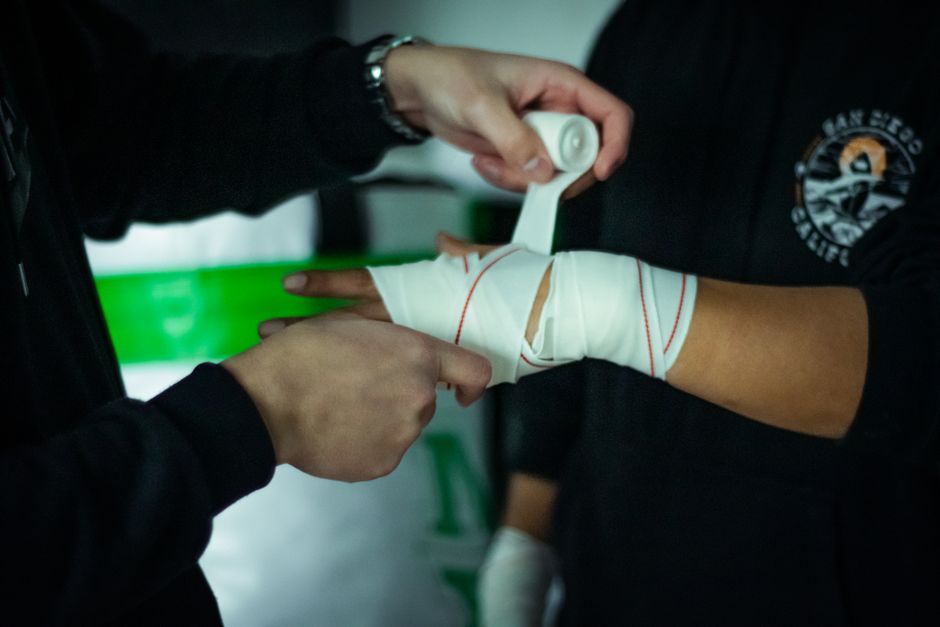
Additionally, kinesiology tape can provide support during and after activity to reduce muscle fatigue and encourage lymphatic drainage — which helps reduce swelling from mild muscular injuries.
What Are Nerve Issues?
Nerve problems can result from compression, irritation, or actual injury to peripheral nerves. These might occur due to repetitive strain, sustained bad posture (think cramped van seats), or acute trauma during load-ins.
Red Flag Signs That Suggest Nerve Issues
- Numbness or Tingling: Electrical, buzzing sensations in hands, feet, or limbs (often called "pins and needles")
- Sharp or Burning Pain That Wakes You: Unlike dull soreness, this pain can be sharp, radiating, and might disturb your sleep
- Weakness or Muscle Atrophy: Loss of strength or coordination in the fingers, hands, or legs
- Symptoms Persist or Worsen Over Time: No improvement or increase in intensity over several days or weeks
For example, sitting in a van for hours with your legs folded or feet trapped in awkward positions can compress the sciatic nerve or cause circulation issues leading to numbness and tingling. Repeated heavy lifting with improper technique can pinch nerves in your neck or shoulders (think brachial plexus compression). And grinding away on your instrument with the same wrist posture is a classic cause of nerve irritation in the hands — like carpal tunnel syndrome.
Why Ignoring Nerve Symptoms Is Risky
Nerves don’t heal as quickly as muscles. Constant pressure or damage can cause permanent deficits and force you off stage or even out of the road life altogether. That’s why it’s critical to pay attention if you experience persistent numbness, tingling, or pain that wakes you during the night — it’s a signal to see a clinician promptly.
When to See a Clinician
Symptom Action Numbness or tingling that does not improve or worsens Seek medical evaluation immediately Pain that wakes you from sleep or is burning/sharp Get evaluated by a pain specialist or neurologist Weakness, clumsiness, or loss of hand/foot dexterity Urgent clinical assessment required Muscle atrophy or visible changes in muscle bulk Refer to doctor immediatelyPractical Tips to Avoid Nerve Problems on the Road
1. Load-in and Lifting Safety
- Use proper lifting technique: Keep your back straight, bend at the knees, and engage your core.
- Use kinesiology tape for extra support around vulnerable joints (shoulders, wrists).
- Don’t rush load-ins — stress and hurry cause sloppy posture and sudden jerks.
2. Instrument-Specific Care
- Take frequent breaks to stretch fingers, wrists, and arms.
- Consider ergonomic gear modifications or consult a specialist for repetitive strain advice.
- Use tools like lacrosse balls or foam rollers to relieve muscle tension.
3. Manage Van Travel Stiffness
- Try to stand and stretch periodically during long drives.
- Keep water handy and stay hydrated — dehydration can worsen nerve irritability.
- Position yourself to maintain natural spinal curves and avoid slouching.
4. Prioritize Sleep and Recovery
- Develop a wind-down routine to help counteract adrenaline spikes after shows.
- Use natural products like Joy Organics CBD tinctures or gummies, which many touring musicians have found helpful for sleep and inflammation relief.
- Don’t skip water during the day. Dehydration can amplify soreness and nerve symptoms alike.
Summary
Muscle soreness and nerve issues might feel similar at first but require very different approaches. While soreness generally improves with rest, hydration, and targeted recovery tools like lacrosse balls and kinesiology tape, nerve symptoms demand immediate attention to avoid long-term damage.
If you notice ongoing numbness, tingling, or sharp pain that disrupts your sleep, don’t ignore it — see a clinician right away.
Touring life is physically demanding, but with the right knowledge and tools, you can navigate its challenges safely. Remember, your body is your instrument. https://equatemagazine.com/what-a-tour-actually-does-to-a-musicians-body/ Treat it well, hydrate often, and use the smart recovery aids the road offers — not just to survive the tour, but to thrive.