Do Roaches Mean My House Is Dirty or That Florida Is Just Florida?
If you're living along Florida’s northeast coast, between St. Augustine and Palm Coast, you've probably encountered roaches at some point. Maybe you've even heard someone say, "If you see a roach, your house must be dirty." But as a licensed pest control operator with a decade of experience in Flagler and St. Johns Counties, I can tell you that's not the whole story. Florida's climate, plumbing quirks, and landscaping all play a huge role in why mulch against foundation attracts roaches these get more info resilient pests tend to thrive here—often regardless of how tidy your home is.
Why Do Florida Homes Have Roaches Year-Round?
Florida is basically roach paradise, thanks to its warm temperatures and high humidity year-round. But it's more than just the weather. Let's break down the main environmental players that make roach problems persistent:
- Climate: The subtropical climate means warmth and moisture levels are ideal for roach reproduction and survival 365 days a year.
- Plumbing: Those cracks and gaps around pipes, plus any leaks under sinks or behind toilets, provide moisture and entry points that roaches love.
- Landscaping: Shrubs, mulch, and leaf debris close to the house create hiding spots and nesting areas.
So yes, even the cleanest, most meticulously maintained house can have a roach issue just because the environment outside your walls is doing the heavy lifting for them.
American Cockroach vs German Cockroach: Not All Roaches Are Equal
One of my biggest pet peeves is hearing every roach called a "palmetto bug." Let’s get that out of the way early:
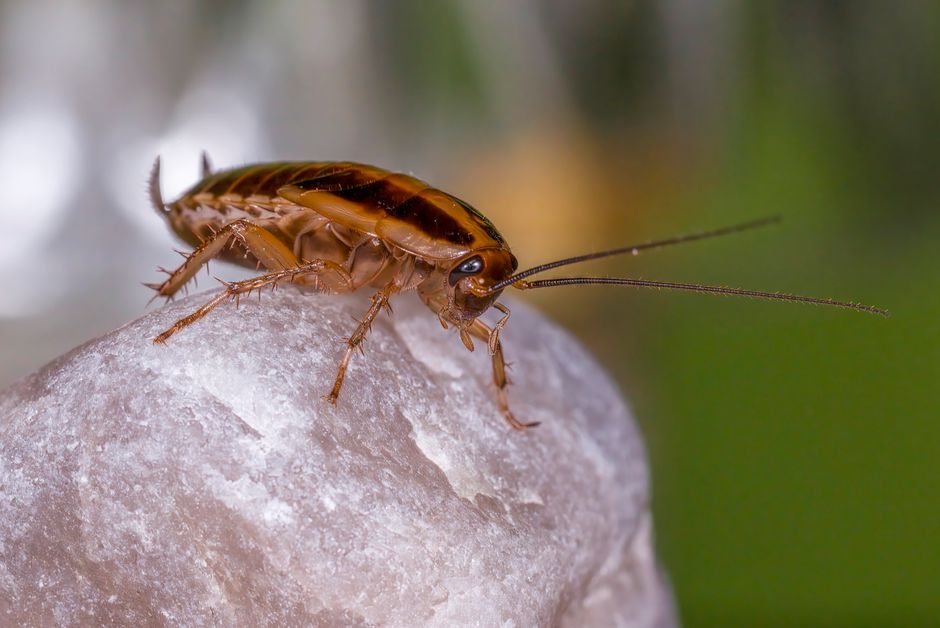
- American Cockroach (Periplaneta americana), aka "Palmetto Bug": These large cockroaches are common outdoors in Florida. They usually wander into homes seeking moisture or warm shelter but don’t typically breed indoors.
- German Cockroach (Blattella germanica): Smaller and tan, these are the true "indoor roaches" that thrive inside kitchens and bathrooms, especially where food crumbs and moisture abound. They reproduce rapidly and are harder to control.
Knowing which species you’re dealing with is critical for effective treatment. And neither one is a sign of dirty housekeeping alone.
Roach Allergens: More Than Just a Nuisance
It’s not just seeing the bugs that causes problems. Cockroach allergen proteins — particularly Bla g from German cockroaches and Per a from American cockroaches — are major triggers for asthma and allergy sufferers.
These proteins are found in roach feces, saliva, and shed body parts, and they settle as fine dust around your home. Even if you don’t see roaches frequently, the allergen dust can persist and cause respiratory issues.
Hidden Infestations and Persistent Allergen Dust
One challenge is that roaches tend to hide in cracks, behind appliances, and inside cabinetry — places most people don’t look regularly. That means infestations can silently grow, and allergen dust accumulates unnoticed, making asthma symptoms worse over time.
Cleaning Tips That Actually Help
When it comes to keeping allergen dust and roach habitats down, vague "clean more" advice just doesn’t cut it. Here are two essential cleaning approaches I recommend:
1. Use a HEPA Filter Vacuum
Traditional vacuuming can stir up allergens and may not capture fine particles. A vacuum equipped with a HEPA filter captures 99.97% of particles down to 0.3 microns. Make sure you vacuum under and behind furniture and appliances — yes, pull the fridge out before buying another spray! — to remove roach droppings and shed skins that accumulate there.
2. Wet-Wipe Instead of Dry-Dusting
Dry dusting only moves allergens around and can actually increase airborne allergen levels temporarily. Using a damp cloth or disposable wipes on surfaces traps allergens and physically removes the allergenic dust instead of just scattering it.
Addressing Roaches for More Than Just Cleanliness
If you find roaches in your home, it’s tempting to think, "I must not clean well enough." But that mindset sets you up for frustration and shame, neither of which helps solve the problem. Instead, understand that:
- Roaches thrive due to climate and moisture — not just dirtiness. Even spotless homes with perfect housekeeping can have roach issues if structural or environmental factors exist.
- Cracks, leaks, and moisture create ideal roach harborage. Seal cracks around plumbing fixtures and regularly check for leaks under sinks and behind toilets.
- Landscaping close to the home can encourage outdoor roaches to move inside. Keep vegetation trimmed back and avoid mulch piled against your foundation.
Summary: Roaches Are Part Climate, Part Plumbing, Part Landscaping — Not a Housekeeping Verdict
Factor Impact on Roach Presence Action Tips Climate (Warmth & Humidity) Year-round warm and moist conditions are perfect for roach survival and reproduction. Use dehumidifiers in damp areas; improve ventilation. Plumbing & Moisture Leaky pipes and moisture encourage roach harborage. Fix leaks promptly; seal cracks near pipes. Landscaping Shrubs, mulch, leaf debris close to house harbor roaches. Trim landscaping back; remove debris near foundation. Housekeeping (Cleaning Method) Good cleaning reduces food sources and allergen dust but won’t stop invasions alone. Vacuum with HEPA filters; wet-wipe surfaces; pull out appliances to clean behind.In short: Your Florida home’s roach issue is not a reflection of poor housekeeping alone but a complex cocktail of environment, moisture sources, and habitat availability. Avoid bug bombs (trust me, they don't work and just spread allergens around!), focus on targeted sanitation, moisture control, and regular, professional inspection, and you’ll be much closer to roach control that lasts.
Final Word: Don’t Shame Yourself, Tackle the Problem Smartly
If you’re struggling with roaches, remember this isn’t a dirtiness verdict on your home. Instead, it's a sign you need a multifaceted approach that includes environmental management, cleaning improvements, and expert pest control. Always pull the fridge out and check before buying any spray or fogger. And if you or a family member suffer from asthma or allergies, addressing roach allergens is crucial to your health.
Need advice tailored specifically for your home in St. Johns or Flagler County? Reach out to your local pest professional who knows Florida conditions inside and out. Approach roach control logically and practically — and don’t buy into the shame-based pest talk ever again!