Do CBD Capsules Give More Consistent Dosing Than Tinctures?
When shopping for cannabidiol (CBD) products, one common question customers ask is whether CBD capsules provide more consistent dosing than tinctures. It’s an important consideration if you rely on CBD regularly and want predictable effects without the guesswork. In this article, we’ll break down how dosing works for both forms, why consistency matters, and how to spot quality products—like those from Joy Organics—that prioritize transparency through batch-specific certificate of analysis (COA) reports.
CBD Basics: Understanding the Difference From THC and Intoxication
Before diving into dosing comparisons, it’s important to clarify what CBD is—and what it isn’t. CBD is a non-intoxicating compound found in hemp and cannabis plants. Unlike THC (tetrahydrocannabinol), the cannabinoid Helpful hints responsible for the “high” effect, CBD does not make you feel intoxicated or impaired.
The 2018 Farm Bill federally legalized hemp-derived CBD products containing less than 0.3% THC in the United States. This means most CBD products won’t get you high, but they may offer potential wellness benefits. Still, the legal landscape remains complex, and labeling rules vary.
FDA Approval and Legal Context
The Food and Drug Administration (FDA) has officially approved only one CBD-derived drug: Epidiolex, prescribed for certain seizure disorders. Over-the-counter (OTC) CBD supplements and products, however, are not FDA-approved medicines. This means their quality, dosing, and safety aren’t standardized or guaranteed by federal regulators. Instead, companies voluntarily undergo testing and share lab results to promote transparency.
Why Consistent CBD Dosing Matters
Whether you’re using CBD for anxiety, pain relief, or general wellness, consistent dosing helps you evaluate effectiveness and minimize side effects. Variable doses may make it hard to tell if a product is working or causing unwanted reactions. This is why fixed-dose options like capsules can be appealing.
Understanding CBD Capsules and Fixed Doses
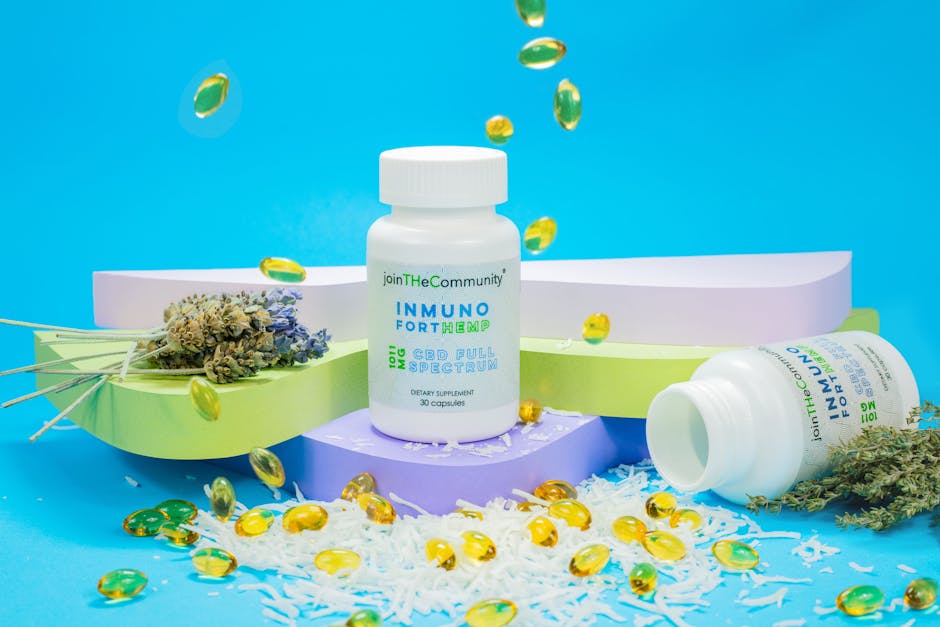
- Fixed Dose Per Capsule: CBD capsules typically contain a precise amount of CBD per pill—for example, 10 mg or 25 mg. This fixed dose means every capsule delivers the same amount of CBD, making it easier to measure your intake day-to-day.
- Convenience: Capsules are easy to carry, swallow, and include no taste or smell. They fit well into daily routines much like vitamins or prescription pills.
- Slower Absorption: Since capsules are ingested and absorbed through the digestive tract, effects might take longer to start compared to under-the-tongue tinctures.
Measuring Tinctures: Why “By Eye” Can Lead to Inconsistency
Tinctures are liquid extracts of CBD usually taken by placing drops under the tongue. While this allows for potentially faster absorption, dosing isn’t always straightforward:
- Variable Serving Size: Most tinctures come with a dropper marked by volume (e.g., milliliters or drops), but these don’t perfectly translate to milligrams of CBD without math and calibration.
- Counting Drops is Unreliable: Drop size varies based on dropper diameter, oil viscosity, and how you squeeze. This means estimating “two drops” might deliver very different amounts of CBD each time.
- Partial Drops and Spills: It’s easy to lose small amounts during measurement or to take more or less accidentally.
- Different Concentrations: Concentrations vary widely between brands and batches, so even if you use the same dropper volume, the CBD amount changes.
All these factors add up to inconsistent CBD serving sizes when using tinctures measured “by eye.”
Quality Variation Among CBD Products and the Role of COAs
One of the biggest issues with CBD products—capsules and tinctures alike—is inconsistency in quality and potency. Since the FDA does not regulate OTC CBD, product claims can be all over the map.
Certificate of Analysis (COA): A crucial quality step is the availability of a batch-specific third-party Certificate of Analysis (COA). These detailed lab reports show exactly how much CBD, THC, and other compounds are best CBD tincture for beginners present in a specific batch. COAs confirm:
- That the product contains the stated amount of CBD per serving
- THC levels are below the legal 0.3% limit
- Absence of harmful contaminants (heavy metals, pesticides, solvents)
Brands that publish batch-specific COAs generate more trust because buyers know the potency and safety of the exact product they receive—unlike vague “THC-free” labels or general claims.
Example: Joy Organics and Their Transparent Approach
Joy Organics is one company that highlights the importance of batch-specific COAs on their website. Each product batch undergoes third-party testing and the lab reports are readily accessible, showing consistent CBD levels per capsule or tincture servicing. This level of transparency helps customers avoid guesswork and potential dosing errors.
Comparing Consistent CBD Serving: Capsules vs Tinctures
Factor CBD Capsules CBD Tinctures Fixed Dose per Serving Yes, precise mg per capsule Variable, depends on drop size and concentration Ease of Measuring Dose Simple: one capsule equals one dose Challenging: requires careful drop measurement Absorption Speed Slower (digestive tract) Faster (sublingual mucous membranes) Consistency of Effects More consistent due to fixed dosing Less consistent; dosage variability can affect outcomes Convenience Easy to carry and swallow Requires careful handling and storageSummary: Which Should You Choose for Consistent CBD Dosing?
If your priority is having a fixed dose per capsule and avoiding the hassle of measuring drops “by eye,” capsules clearly offer more consistent serving sizes. This can be particularly beneficial if you need to monitor dosage closely or compare effects from day to day.

Tinctures still have their place—especially if you want faster onset or the flexibility to adjust doses in smaller increments. However, inconsistent dropper measurement often leads to variations in CBD intake.
Whichever form you choose, look for reputable brands that publish transparent, batch-specific Certificates of Analysis (COAs). This ensures product quality and legal THC limits (<0.3%) are met, avoiding surprises with content or contamination.
Final Tips for Safe and Consistent CBD Use
- Trust companies with batch-specific COAs—you can verify actual potency instead of trusting vague “THC-free” or “high quality” labels.
- For capsules, stick to the serving size on the label to maintain consistent dosing.
- If using tinctures, use a calibrated dropper and measure drops carefully to reduce variability. Keep in mind this method is always a bit imprecise.
- Be aware that CBD can interact with certain medications—consult your healthcare provider before starting.
- Remember that OTC CBD is not FDA-approved as a medication; effects and safety can vary.
By understanding these factors, you can make an informed choice between capsules and tinctures that fits your lifestyle and dosing needs. CBD capsules often deliver a steady, consistent dose, ideal for daily wellness routines, while tinctures provide dosing flexibility with some measurement tradeoffs.
For reliable, batch-tested CBD products, consider brands like Joy Organics that prioritize transparency and quality assurance. This approach helps eliminate much of the guesswork in finding a consistent, effective CBD serving.